
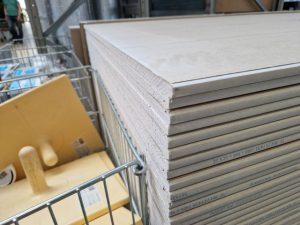
Drywall is one of the most common building materials found in modern homes. It creates smooth walls and ceilings, provides a finished appearance, and performs well under normal conditions. However, it has one major weakness: moisture. Even a small amount of unwanted water can cause problems that range from cosmetic damage to serious structural concerns if left unchecked.
Why Drywall and Water Don’t Mix
Drywall is made from a gypsum core wrapped in heavy paper. While the gypsum itself can tolerate limited exposure to moisture, the paper covering readily absorbs water. Once damp, the material begins to weaken, and the paper becomes an ideal environment for mould growth if it remains wet.
In many cases, damage develops gradually. A slow plumbing leak, roof defect, or condensation problem may go unnoticed for weeks or months before visible signs begin to appear. By then, repairs often involve more than simply repainting a wall.
Early Warning Signs
Moisture damage rarely appears without warning. Common indicators include:
- Brown or yellow staining
- Bubbling or peeling paint
- Soft or spongy drywall
- Sagging ceilings
- Hairline cracks that continue to grow
- A persistent musty odour
These symptoms should never be ignored, even if they seem minor. The visible damage is often only part of the story, and hidden moisture may be affecting insulation, framing, or other building materials behind the wall.
Where Moisture Problems Usually Start
Some areas of a home are naturally more vulnerable than others. Bathrooms, kitchens, laundry rooms, basements, and attics often experience higher humidity levels or are located near plumbing systems.
Outside the home, clogged gutters, damaged flashing, cracked siding, or ageing roofing materials can allow rainwater to work its way inside. During colder months, condensation can also develop when warm indoor air meets cold exterior surfaces, especially around poorly insulated walls and windows.
Simple Steps That Make a Big Difference
Preventing moisture damage is almost always easier and less expensive than repairing it.
Regularly inspect plumbing fixtures, water heaters, and appliance connections for leaks. Keep gutters clean so rainwater is directed safely away from the home. Check the roof after severe weather and repair damaged shingles or flashing promptly.
Inside the home, use exhaust fans while cooking or showering to reduce humidity. A dehumidifier can also help in damp basements or crawl spaces where excess moisture tends to accumulate.
It is equally important to maintain proper grading around the foundation so water drains away from the home rather than collecting against exterior walls.
A Small Problem Can Become a Large Repair
Drywall damage is often viewed as a cosmetic issue, but moisture can affect much more than the surface. If water intrusion continues, repairs may eventually involve insulation, framing, flooring, and even structural components.
Paying attention to early warning signs and addressing the source of the moisture quickly can help preserve the condition of the home, improve indoor air quality, and avoid far more costly repairs down the road. A careful inspection of suspicious stains or soft spots today can prevent a much larger project tomorrow.