
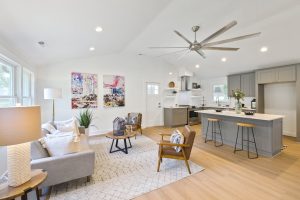
 Open concept living has become a popular choice for homeowners looking to create brighter, more connected spaces. Removing walls and opening sightlines can transform how a home feels and functions. However, before committing to this type of renovation, there are several important factors that deserve careful evaluation to ensure the outcome is both safe and practical.
Structural Integrity Comes First
One of the first considerations is structural integrity. Not all walls are simply dividers; some play a critical role in supporting the weight of the home. Load-bearing walls carry structural loads from above, and removing them without proper reinforcement can lead to serious issues over time. Any plan to alter these elements should include a thorough structural assessment and, when necessary, engineered solutions such as beams or columns to maintain stability.
Mechanical Systems Behind the Walls
Equally important is understanding how the change will impact mechanical systems. Plumbing, electrical wiring, and HVAC components are often hidden within walls and ceilings. Opening up a space may require rerouting these systems, which can add complexity and cost. In colder climates especially, heating distribution is a key concern. Large open areas may require adjustments to ensure consistent comfort throughout the space.
Light, Airflow, and Efficiency
Another factor to weigh is how the new layout will affect natural light and energy efficiency. While open concept designs often improve light flow, they can also introduce challenges. Larger spaces may be harder to heat efficiently, and removing walls can alter how air moves through the home. Proper insulation, window placement, and heating strategies should be part of the planning process to avoid long-term inefficiencies.
Managing Noise in Open Spaces
Sound control is often overlooked but can significantly affect daily living. Without walls to contain noise, sounds travel more freely between areas. This can be particularly noticeable between kitchens, living rooms, and workspaces. Thoughtful design choices—such as flooring materials, ceiling treatments, or partial partitions—can help manage acoustics without sacrificing openness.
Balancing Openness with Functionality
Functionality is another key consideration. While open layouts can enhance social interaction, they may reduce defined spaces for specific activities. Storage, privacy, and furniture placement all become more challenging in a wide-open environment. It’s important to strike a balance between openness and practicality, ensuring the space still meets everyday needs.
Permits and Compliance
Finally, permits and local building requirements should never be overlooked. Renovations that involve structural changes or system modifications typically require approval. Ensuring compliance not only protects safety but also helps avoid complications during future resale or inspection.
Final Thoughts
An open concept renovation can offer significant benefits when approached thoughtfully. By carefully evaluating structural, mechanical, and functional elements before beginning, homeowners can achieve a result that is both visually appealing and built to perform well over time.