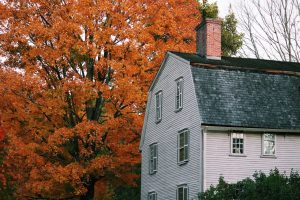
There is something special about an older home. Original woodwork, wide-plank floors, charming details, and a little history in every room can make a property feel truly one of a kind. But when it comes to evaluating a house, age and condition are two very different things.
So, how can you tell the difference?
An Old Home: Character With History
Older homes naturally show signs of their age. You might find a few uneven floors, original windows, dated electrical components, older plumbing, or a foundation that reflects the construction methods of its time.
These features don’t automatically mean something is wrong.
In fact, many older homes have been carefully maintained over the years, with repairs and improvements made as needed. Some have updated heating systems, improved insulation, newer roofing, and well-maintained foundations while still retaining their original charm.
The important question isn’t simply how old the house is. It’s how well it has been cared for.
A Neglected House: When Maintenance Has Been Put Off
Neglect is less about the year a house was built and more about what hasn’t been done.
A neglected property may show signs such as:
- Roofing concerns: Missing shingles, active leaks, or water stains on ceilings.
- Moisture problems: Damp basements, musty odors, poor drainage, or visible mold-like growth.
- Structural issues: Deteriorating supports, significant floor movement, or damaged foundation areas.
- Deferred exterior maintenance: Peeling paint, rotting trim, failing siding, or deteriorated window components.
- Outdated or damaged systems: Electrical, plumbing, or heating components that have not received appropriate maintenance.
One small repair left unattended can eventually become a much larger and more expensive problem.
Why New Hampshire’s Climate Makes a Difference
Homes in Southern New Hampshire experience plenty of seasonal challenges. Freeze-thaw cycles, heavy snowfall, spring rain, humidity, and fluctuating temperatures all take their toll on a property.
Proper drainage, sound roofing, functional gutters, and a dry basement are particularly important.
A home that has been standing for 100 years may be in better condition than one built 25 years ago if it has received consistent maintenance and timely repairs.
What Should Buyers Look For?
During a home inspection, the focus should be on the property’s current condition, not simply its age.
A professional inspection helps identify visible deficiencies, safety concerns, signs of moisture intrusion, and components that may need repair or further evaluation.
Remember, no house is perfect, and older homes will naturally have their quirks. The goal is to understand which conditions are typical for the home’s age and which ones deserve closer attention.
The Bottom Line: Age Is Not the Enemy, Neglect Is
An old house can be a wonderful place to call home. Its history and character are often part of its appeal.
But don’t let charming details distract you from the condition of the property. Whether a home is 30 years old or 130, what matters most is how it has been maintained.
Buy the house for its character, but understand its condition before you commit.