
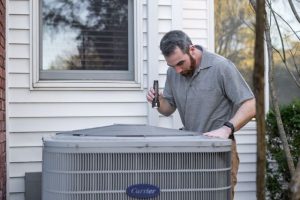
When summer settles into New Hampshire, a dependable air conditioner can quickly become one of the hardest-working appliances in the house. A little routine maintenance goes a long way toward keeping it comfortable, efficient, and ready for those humid afternoons. The good news? Many basic tasks are simple enough for a homeowner to handle. Others are best left to a qualified HVAC professional.
The Easy Wins: Tasks Homeowners Can Handle
Change or clean the air filter. This is one of the simplest and most important jobs. A clogged filter restricts airflow, makes the system work harder, and can contribute to poor indoor air quality. Check the filter regularly and replace or clean it according to the manufacturer’s recommendations.
Keep the outdoor unit clear. Leaves, grass clippings, weeds, and other debris can collect around the condenser. Keep vegetation trimmed back and maintain several feet of clearance around the unit. Before cleaning around it, turn off power to the equipment.
Gently clean visible debris. With the system powered down, remove loose debris from around the outdoor unit. A soft brush can help with light buildup on accessible areas, but avoid bending the delicate condenser fins.
Check the condensate drain. If the drain line is readily accessible, look for obvious blockages, standing water, or signs of leakage. A clogged drain can cause water damage and may shut the system down.
Pay attention to performance. Unusual noises, weak airflow, unpleasant odors, ice on the equipment, or water where it shouldn’t be are all worth noticing. Small changes can provide an early warning that something needs attention.
Leave These Jobs to a Professional
Some air conditioner maintenance involves electrical components, refrigerant, specialized tools, or procedures that can damage equipment if performed incorrectly.
A qualified HVAC technician should handle refrigerant checks and charging, electrical testing or repairs, compressor and motor work, refrigerant-line repairs, coil cleaning that requires significant disassembly, and diagnosis of persistent performance problems.
Professional service is also appropriate for annual system inspections and tune-ups, particularly when the equipment is older or has a history of problems. A technician can evaluate operating pressures, electrical connections, airflow, controls, and other components that aren’t practical or safe for most homeowners to test.
A Little Maintenance Goes a Long Way
Think of air conditioner maintenance as a division of labor. Homeowners can handle the routine housekeeping: filters, clearance, basic observation, and keeping an eye out for trouble. HVAC professionals bring the training and equipment needed for the technical work.
That combination can help an air conditioner run more reliably and efficiently—and may catch a developing problem before it turns into an inconvenient midsummer breakdown. In New Hampshire, where the cooling season may be relatively short but surprisingly demanding, that’s a worthwhile bit of preparation.