
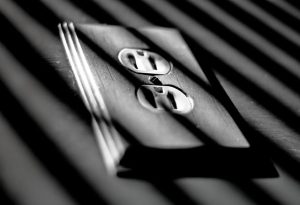
A cracked or broken electrical outlet cover may at first glance seem like a minor cosmetic issue. After all, it is just a piece of plastic on the wall. However, what appears to be a small defect can create safety concerns that extend far beyond appearance. Damaged outlet covers are among the most commonly overlooked electrical issues found in homes, yet they can pose risks to both occupants and property.
More Than Just a Cosmetic Problem
Outlet covers serve an important purpose. They help protect the energized components inside an electrical receptacle from accidental contact, dust, debris, and moisture. When a cover becomes cracked, chipped, or broken, that protective barrier is compromised.
Even a small opening can expose internal electrical parts that were never intended to be touched. This increases the potential for accidental shock, especially in homes with children, pets, or frequent visitors.
Increased Risk of Electrical Shock
One of the primary concerns with a damaged outlet cover is the possibility of direct contact with energized components. While the receptacle itself may still function normally, exposed areas can create opportunities for fingers, metal objects, or other conductive materials to reach parts carrying electrical current.
The risk may be low in everyday situations, but electrical safety is all about preventing the unexpected. A simple accident can quickly become a serious injury.
Fire Hazards Can Develop
Cracked outlet covers can also contribute to fire hazards under certain conditions. Openings in the cover may allow dust, dirt, or other debris to enter the electrical box. Over time, the buildup of combustible materials near electrical connections can increase fire risk.
In some cases, a broken cover may be a sign of a larger issue. Impact damage, overheating, or deterioration around the receptacle can sometimes indicate underlying electrical concerns that deserve further evaluation.
Moisture and Environmental Exposure
Bathrooms, kitchens, laundry rooms, garages, and exterior locations are especially vulnerable to moisture-related problems. A damaged cover plate may allow humidity, water droplets, or condensation to reach areas that should remain protected.
Electrical systems and moisture are never a good combination. Even minor exposure can accelerate corrosion and affect the long-term reliability of electrical components.
An Easy and Affordable Fix
The good news is that replacing a damaged outlet cover is typically one of the simplest and least expensive maintenance tasks a homeowner can address. Replacement covers are widely available and come in a variety of styles and finishes.
Before replacing any cover, power should be turned off to the outlet whenever possible, and any signs of overheating, discoloration, loose receptacles, or damaged wiring should be investigated by a qualified electrical professional.
Final Thoughts
A cracked outlet cover may seem insignificant, but small electrical defects often deserve more attention than they receive. These covers are designed to provide a layer of protection between people and energized electrical components. When that protection is compromised, safety can be compromised as well.
Taking a few minutes to replace a broken outlet cover is a simple step that helps maintain a safer home and reduces the likelihood of preventable electrical hazards.