
Home maintenance rarely announces itself at a convenient time. A loose cabinet hinge, a dripping faucet, or a stubborn door can quickly become an unwelcome distraction. Having the right tools close at hand makes these everyday repairs easier to manage and helps prevent small problems from becoming bigger, more costly concerns.
You don’t need a professional workshop to care for a home properly. A thoughtfully assembled toolkit, a little know-how, and a sensible approach to safety can make a real difference.
🛠️ Build Your Toolkit Around Everyday Needs
The best place to start is with tools that serve multiple purposes. Rather than buying every gadget on the hardware store shelf, focus on dependable basics that support routine maintenance and straightforward DIY projects.
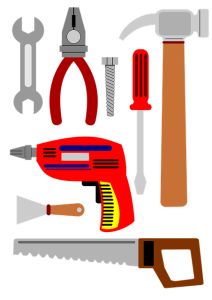
A practical starter kit should include:
- Screwdrivers: A selection of flathead and Phillips sizes for tightening hinges, handles, and household fixtures.
- Claw hammer: Handy for light carpentry and removing nails.
- Tape measure and level: Essential for measuring accurately and keeping installations straight.
- Pliers and an adjustable wrench: Useful for gripping objects and working with suitable nuts and fasteners.
- Flashlight: Helps illuminate dark spaces during inspections and repairs.
- Utility knife: Useful for controlled cutting when handling appropriate materials.
Add safety glasses, work gloves, and a stable ladder suited to the job. Quality matters more than quantity, so choose equipment that feels comfortable and is designed for its intended purpose.
🔎 Tools Help Catch Problems Earlier
The right equipment can do more than make repairs convenient. It can help identify warning signs that deserve attention.
A flashlight makes it easier to spot water stains beneath cabinets, corrosion around exposed pipes, or damaged weatherstripping around a door. A moisture meter can assist in investigating areas of suspected dampness, while a level helps identify alignment issues during installations.
Remember, a tool provides information—not always a complete diagnosis. A damp reading doesn’t automatically identify the source of moisture, and visible staining may indicate a problem hidden behind a finished surface. When the cause isn’t clear, further investigation may be necessary.
⚠️ Know Your Limits and Work Safely
Using the wrong tool can damage a fixture, weaken a repair, or create unnecessary hazards. Before starting, inspect your equipment, read the manufacturer’s instructions, and make sure you understand the task.
Electrical repairs, structural alterations, gas-related work, and complicated plumbing issues may require a licensed or qualified professional. Never assume a circuit is safe simply because a switch is off; verify that power is absent using an appropriate tester before permitted electrical work.
Knowing when to put the tools down is just as important as knowing which ones to pick up.
🧰 Keep Your Equipment Ready
Clean tools after use, store them somewhere dry, and replace damaged or worn components promptly. Organizing everything in a toolbox also saves time when an unexpected repair comes along.
There’s no need to purchase expensive specialty equipment for a one-time project. Renting or borrowing suitable tools can be a practical alternative.
A Small Investment With Lasting Benefits
The right toolkit supports better maintenance, more dependable DIY results, and greater confidence when caring for a home. Start with the essentials, choose tools wisely, and make safety a priority.
A little preparation can save time, reduce avoidable damage, and help keep your home in good working order year-round.